Today’s homeowners and businesses have more options than ever when it comes to securing doors. Should you stick with tried-and-true deadbolts, or upgrade to smart locks with digital access? Let’s compare.
Pros of Traditional Locks
- Affordable and widely available.
- Easy to install and repair.
- No batteries or Wi-Fi needed.
Cons of Traditional Locks
- Vulnerable to lock picking and bumping.
- Lost keys mean rekeying or replacement.
- No way to monitor access remotely.
Pros of Smart Locks
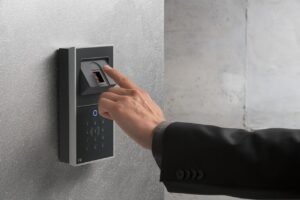
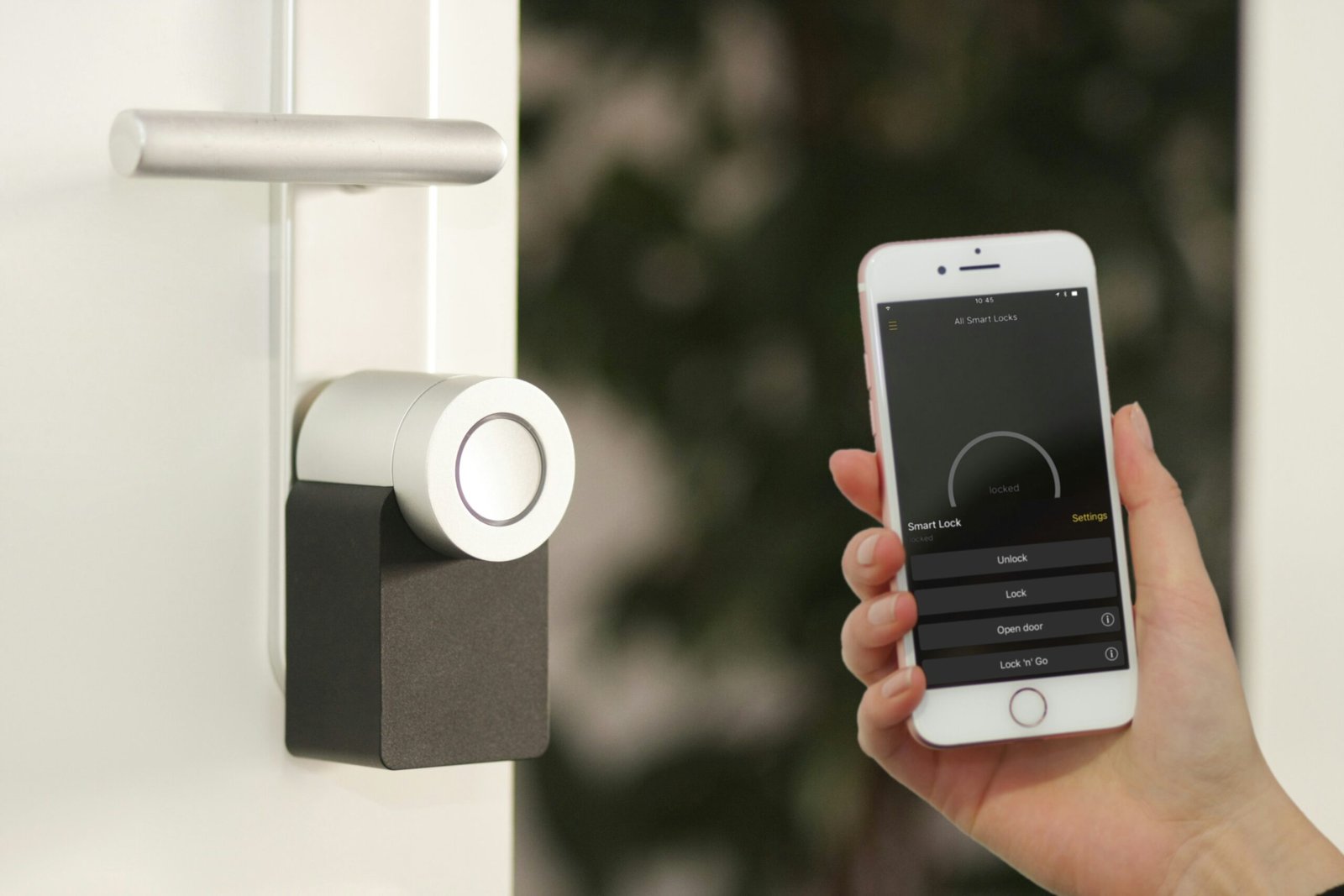
- Keyless entry (codes, phone app, biometrics).
- Remote access and monitoring.
- Access logs for who enters/exits.
- Temporary codes for guests or employees.
Cons of Smart Locks
- Higher upfront cost.
- Requires batteries or power source.
- Dependent on Wi-Fi or Bluetooth.
Which Is Best for You?
- Residential Use: Traditional locks work for most, but smart locks add convenience and peace of mind.
- Commercial Use: Smart locks with access control are best for offices, retail, and warehouses.
Final Thoughts
Choosing between smart and traditional locks depends on your budget and needs. Many homeowners use a combination of both — high-security deadbolts for entry doors and smart locks for convenience.